
Best Time to Visit Thailand: Month by Month
Thailand has three seasons, not two, and the “best” month depends on which coast you are going to. The Andaman side and the Gulf side do not share a monsoon.
The short answer
November to February is the easiest window: dry on both coasts, temperatures in the high twenties, and the sea calm enough for the Phi Phi and Similan trips. It is also the most expensive and the most crowded.
What the monsoon actually does
It does not rain all day. Typically you get a heavy burst in the afternoon or overnight and sun either side of it. The sea state matters more than the rain: dive and boat trips get cancelled for swell, not for drizzle.
| Month | Andaman (Phuket, Krabi) | Gulf (Samui, Koh Tao) |
|---|---|---|
| Jan–Feb | Dry, calm, best visibility | Dry, calm |
| Mar–Apr | Hot, flat sea | Hot, calm |
| May–Jun | Green season starts | Still mostly dry |
| Jul–Sep | Wet, some trips cancelled | Dry-ish, windy |
| Oct | Wettest of the year | Rain peaks |
| Nov–Dec | Clears up, busy | Rain tailing off |
When to book which trip
- Similan Islands — open roughly mid-October to mid-May only. Outside that, no boats.
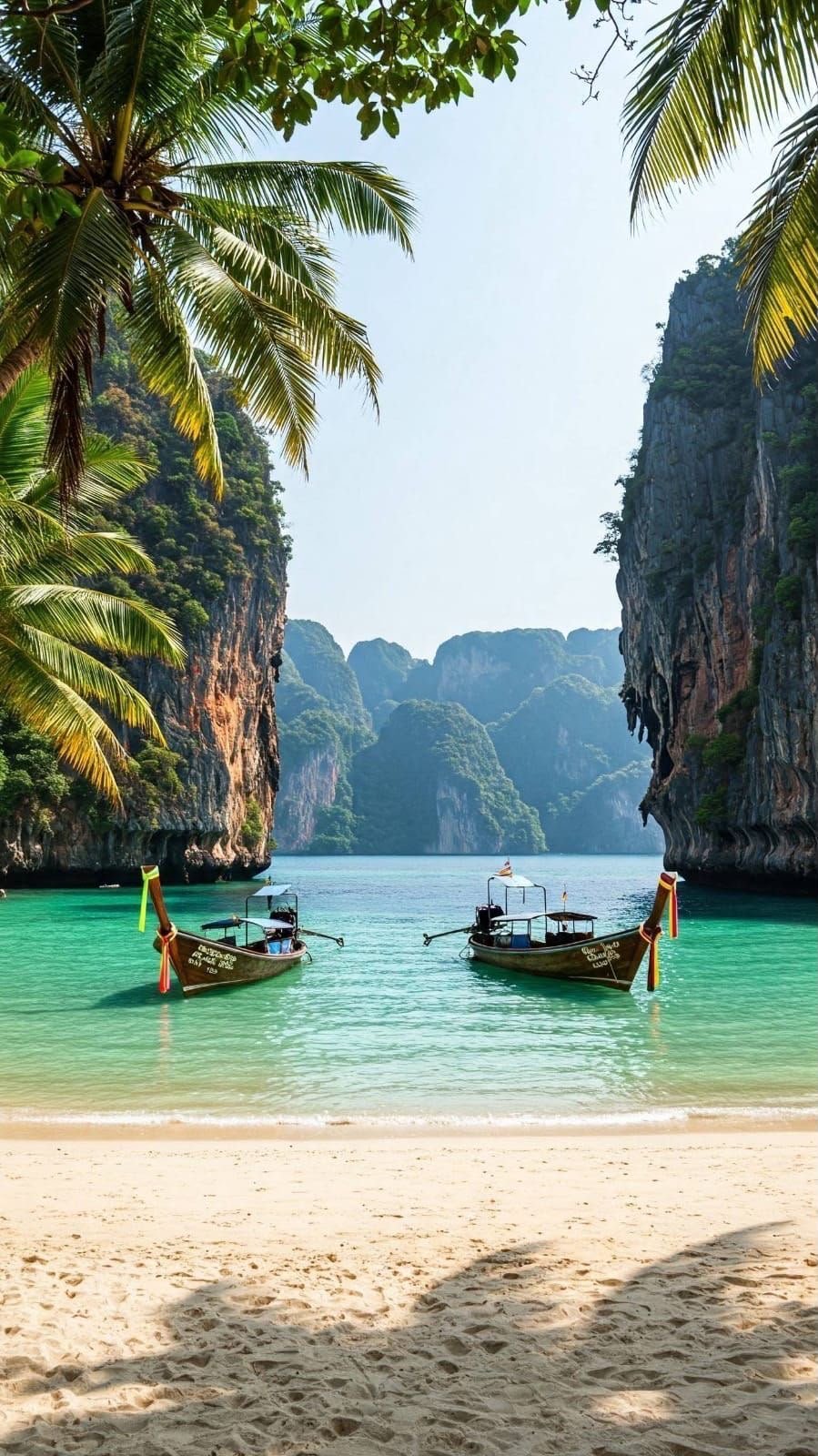
- Phi Phi — runs year round; November to April has the calmest crossing.
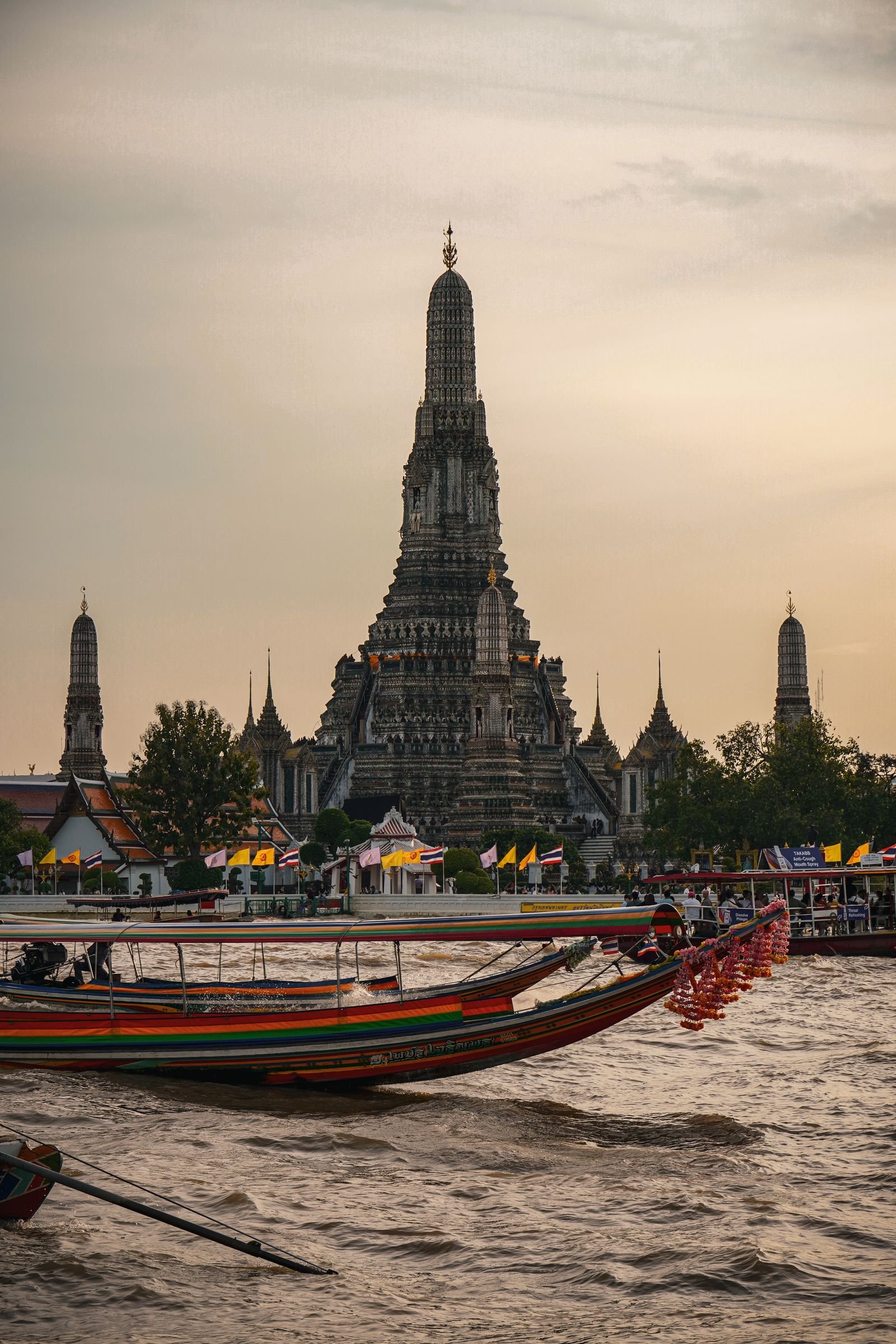
- Bangkok temples — any month. The cool season is simply more comfortable for walking.
Questions people ask
Is the rainy season a bad time to come?
No. You get short heavy rain, lower prices and fewer people. Boat trips are the one thing at risk.
What is the hottest month?
April, before the rains break. Songkran falls in mid-April.
When are the islands quietest?
September and October on the Andaman coast, though some operators close for maintenance.